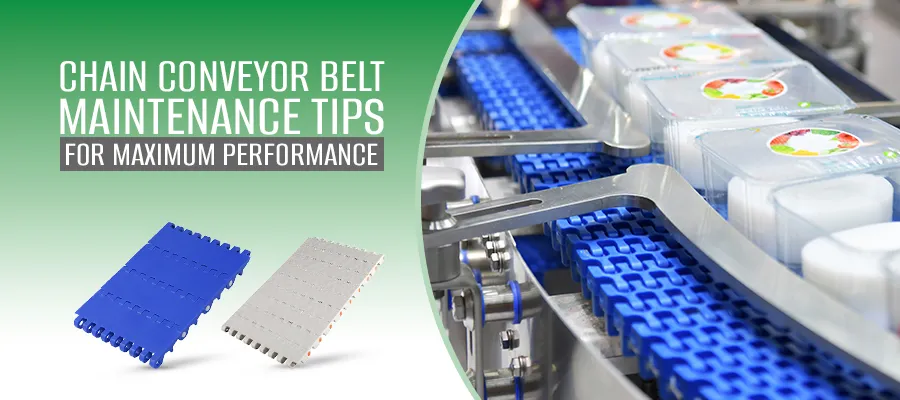
Chain Conveyor Belt Maintenance Tips for Maximum Performance
July 28,2026
Conveyor belt operations are continuous. Materials are transported for hours on end, day in and day out. The chain is put under stress. Temperature rises. Friction increases. Wear and tear quicken. Maintenance ensures efficiency and avoids expensive downtime.
The vast majority of conveyor users wait until there is a problem to attend to the issue of maintenance. Production will have stopped. Income is forgone. Equipment replacement becomes necessary.
Daily Cleaning Matters
Chain Conveyor Belts accumulate debris. Product residue builds up. Dust settles. Grease accumulates. This buildup causes problems. It adds weight, stressing the motor. It reduces efficiency. It promotes corrosion.
Start each day by cleaning the chain thoroughly. Remove visible debris. Wipe down surfaces. Pay special attention to corners where dirt hides. Use appropriate cleaning agents for your product type. Food processing requires food-grade cleaners. Industrial applications can tolerate stronger solvents.
Inspect as you clean. Look for damage you might otherwise miss. Small problems caught early prevent major failures.
Regular Inspection is Essential
Check the chain weekly for signs of wear. Look for stretched links. Bent pins signal impact damage. Cracked rollers need replacement. Listen for unusual sounds during operation. Grinding noise means the chain is not aligned properly. Squealing indicates that the chain needs proper lubrication.
Chain tension should be checked from time to time. Chains that have too much slack wear out and run poorly. On the other hand, overly tight chains put undue pressure on the bearings and cause the chain to wear prematurely. Appropriate tension means some deflection is possible under pressure.
Check the sprockets for signs of wear. If the chain tension is inappropriate, teeth will wear down unevenly. Inspect the sprockets for any signs of wear. If the chain tension is incorrect, there will be unequal wearing of teeth. Pairs of worn sprockets have to be replaced.
Lubrication Helps Things Work
It is important to lubricate the chain. Lubrication decreases friction and increases life span. Insufficient lubrication results in quick wear and breakage.
Use lubricant regularly. Different chains require different intervals. Some need lubrication daily. Others every few weeks. Check specifications for your equipment.
Use the correct lubricant type. Food-grade lubricant is essential in food processing. Industrial-grade lubricant works elsewhere. Wrong lubricant causes problems. It either does not protect adequately or attracts contaminants.
Apply lubricant sparingly. Excess lubricant attracts dirt. It creates a grinding paste that damages rather than protects. Just enough to coat the chain is the target.
Environmental Protection
Conveyor belts operate in varying conditions. Heat accelerates wear. Moisture promotes corrosion. Chemical exposure degrades materials. Control the environment when possible.
Protect chains from harsh conditions. Rain and humidity cause rust. Extreme heat degrades lubricants. Chemical splashes damage metal. When environmental control is not possible, use protective coatings and increase maintenance frequency.
Alignment and Tension
Misaligned chains wear unevenly. One side gets more stress. The chain walks off sprockets. Tension adjustments become necessary more frequently. Check alignment regularly. Most misalignment is visible. The chain should track straight across the sprocket teeth.
Proper tension prevents slipping and reduces stress on components. Measure deflection with chain at rest. About 1 to 2 centimetres deflection midway between sprockets is typical. Adjust as needed.
Replace Components Before Failure
Some components have predictable lifespans. Bearings wear out. Seals degrade. Sprockets develop worn teeth. Plan replacements before catastrophic failure.
Keep spare components in stock. When something fails, you can replace it immediately instead of waiting for delivery. This minimises downtime and keeps production flowing.
Professional Service
Complex maintenance requires expertise. Pressure testing seals, measuring wear precisely, and optimizing settings demand professional knowledge. Schedule professional service annually. Expert technicians catch problems you might miss.
The Bottom Line
Chain conveyor belt maintenance helps avoid breakdowns which can lead to expensive repairs. This includes daily cleaning, inspection, proper lubrication, and protecting the environment. Spectra Plast has a range of chain conveyors and parts that meet high standards of performance. They can last longer through proper maintenance.
Prevention may seem like an unnecessary expense but it saves more money in the long run than not doing maintenance.
For more information, please visit Spectra Plast India Pvt Ltd.
Recent Posts